“As a species, we should never underestimate our intolerance for discomfort.” -Pema Chodron
Never has this been more evident than now, when our world is full of fear and suffering – physical, emotional, mental and spiritual.
It is not in our nature to turn on our heel, face fear and say “You don’t have any power over me.”
Instead most of us, to one extent or another, are in full fight or flight. To get rid of this uncomfortable energy, we might attack or blame a person, politician or country for the situation. I suppose attacking offers a temporary release, but then what? We’ve not solved anything, just spun ourselves up even further.
Or we go into full flight mode and find any activity to escape the panic, boredom or fear we’re feeling.
 So, we find ourselves standing in front of the refrigerator – again – to the point where you swear you heard the fridge say, “What the hell do you want now?”
Some may have started drinking more frequently, justifying their overindulgence with the excuse, “Who wouldn’t want to drink given what’s going on?”
And others may just shut down, going back to bed (literally or figuratively) wrapped in a gray blanket of learned helplessness that in some twisted way makes us feel safe.
Anything to ease the anxiety.
But other than a momentary reprieve, our boredom, our panic, our overwhelm are right there waiting for us after we’ve come out of our sugar coma, cursed our hangover or forced ourselves to get out of bed because there are kids to feed and work to be done.
If you’re someone who has that mental secret sauce to flex through this chaos and not let it shake you to the core, congratulations, you get the Unicorn Award of 2020. For the rest of us though, if attacking doesn’t kill the feelings or fix the situation, and if escape just makes it worse, then, God help us, what are we supposed to do?
Exactly the opposite of what our fight or flight system is telling us.
When we get scared and then upset at ourselves for being upset, we practice self-compassion. We talk to ourselves like a frightened child: “Honey, it’s okay. I know it’s tough, anyone would be really worried or depressed in this situation. You’re doing a good job coping. We’re going to come through this.”
After we can be loving and kind to our scared self, we can practice compassion toward others – remembering even when we’re rattled or edgy that peoples’ reactions and decisions may be different because everyone is on their own path. That old guy who barked at you for going the wrong way down a new one-way aisle at Kroger’s is likely really scared too, and he’s trying to control something to alleviate his inner chaos.
The hardest thing we can do, but the most effective, is to just sit with the emotion. Fully. Fearlessly.
This is not for the faint of heart. Because your brain will shriek that you are destined to die a protracted and painful death if you allow yourself to fully feel the grief and panic. It wants to you ease that feeling right freaking now, with a fourth cocktail or a pint of vanilla ice cream and a jar of hot fudge sauce.
But in those times, we can remind ourselves, very gently, that we are not our feelings. Our feelings are a byproduct of our thoughts, and we aren’t our thoughts either. Just realizing that we aren’t our feelings or thoughts is enough to bring some measure of relief.
If we go further, and really, really try to become aware of the painful emotion, we can get curious, try to locate it in our body, maybe give it a shape or try to figure out what color it is.
Or we can just sit. For one moment at a time. Until the emotion, like Carl Sandburg’s fog that arrives on little cat feet, arises from its silent haunches and moves on.

 Do you remember your first teacher? Maybe kindergarten or first grade? I remember my kindergarten teacher, who was ancient and crabby and yelled a lot. To this four-year-old, that was pretty scary. And I also remember with love and adoration many teachers after that – especially the ones who unleashed in me a passion for English, reading and creative writing.


 re is an old story about two monks who were traveling together. At one point, they came to a river with a strong current. As they prepared to cross the river, they saw a beautiful woman also attempting to cross. But she was afraid of the water and asked them for help.
 I had a discussion the other day with a potential editor, and while she was pleasant and respectful, the conversation didn’t go the way I expected. Cue the story: But I don’t want to approach the project that way. I’ll never find anyone to help me. I’ll never write that book. I’ll never fulfill that dream.
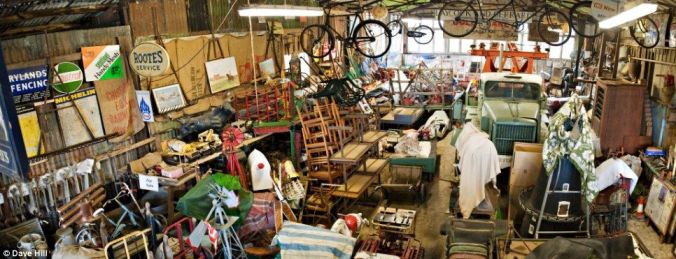 Do you ever feel like your mind is like some of those places American Pickers visit? So full of stuff you can’t walk through them much less add something new?
 rubyslippersredshoes